The Bosun welcomes a potential breakthrough in offshore racing
 Slowly, quietly, a committee of World Sailing has begun the long-overdue process of bringing some fairness back into the sport of offshore racing.
As previously reported, the WS Oceanic and Offshore Committee was to meet and consider a proposal that would amend the RRS in a way that recognised the fundamental difference between conventionally-sailed yachts and those that use stored power linked with computer-driven systems such as auto-helm.
That meeting was held online last Friday. The starting point of their consideration was the existing rule well-known to all racing sailors:
52. MANUAL POWER
A boat’s standing rigging, running rigging, spars and movable hull appendages shall be adjusted and operated only by the power provided by the crew.
But everyone in the offshore community also knows that this rule is “more honoured in the breach than the observance”, as Prince Hamlet said.
For more than 20 years Organising Authorities have suspended the prohibitions of R52 by enlisting their independent authority to amend or delete WS rules in the Notice of Race or Sailing Instructions for individual events. In that way, the use of stored power was allowed to creep into the sport unchallenged – and without substantial penalty.
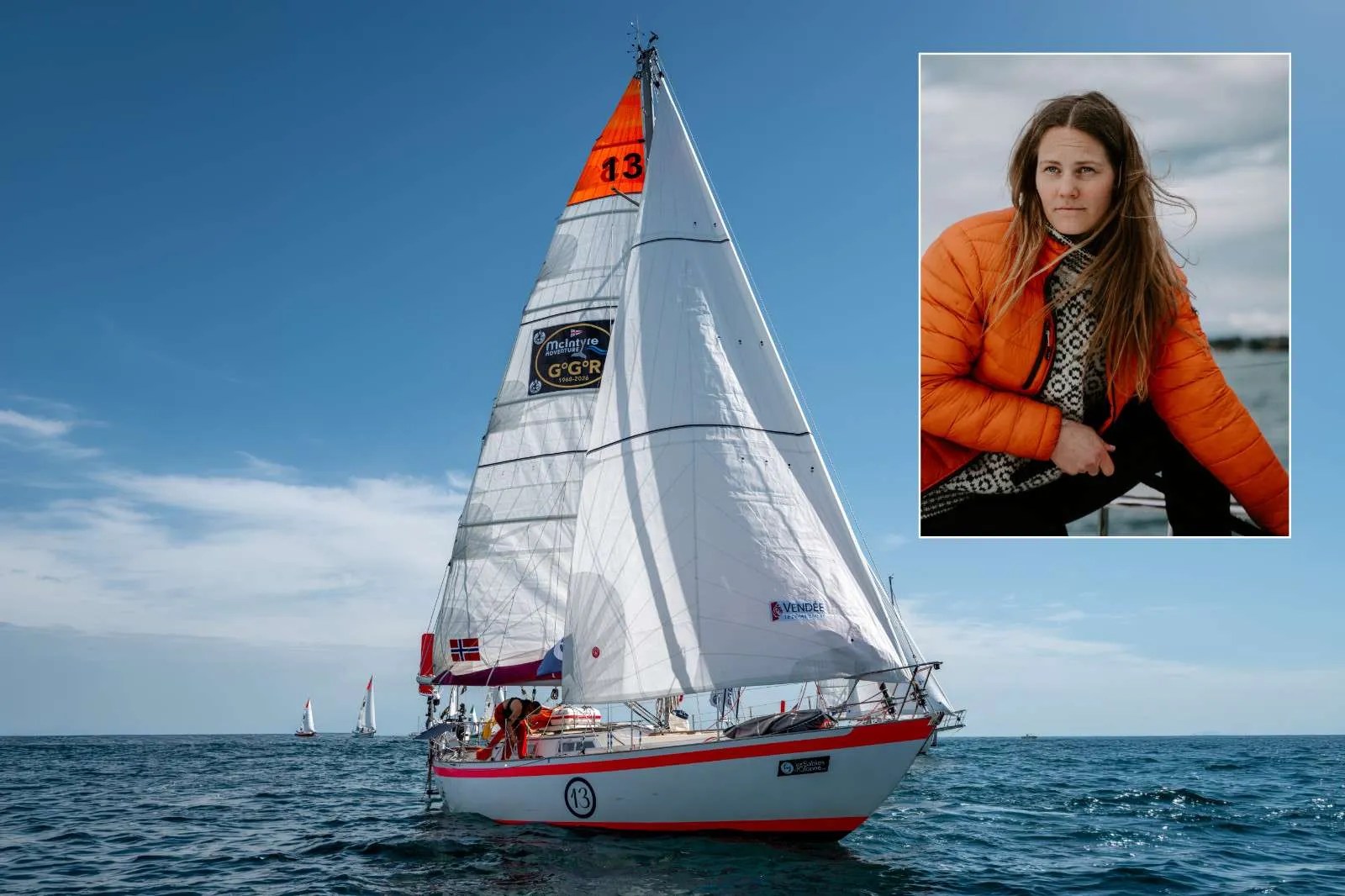
That is how we have arrived at the unfair situation where a fully-crewed 38-footer sailed by human power alone is competing against two-handers with sophisticated auto-helm, and 100-footers bristling with powered winches and an array of AI-controlled systems.
At the heart of the Committee’s proposal is the baseline concept of ‘Human Endeavour’. It is seen as the primary value of competitive sailing.
Their intention is to draw a practical line in the sand between conventional yachts and those that employ systems to control rigging, appendages, and sail trim without human input. They express that principle in these terms: “Human endeavour is fundamental to our sport. Computer and AI controlled systems are superior in terms of performance.”
The key provision of the proposed new Code is that:
“It recommends, not prohibits, that an OA does not score computer-controlled performance function boats against humans, thereby protecting the fully crewed body of the sport and human endeavour.”
Note: “recommends”. That is a realistic approach. It would be impossible to outlaw stored power and computer-driven systems entirely. They have become a fact of life for just about any boat larger than 50 feet LOA. That horse bolted long ago.
So, instead of prohibition, the Committee is proposing that the sport accept yachts that breach Rule 52, but that they should be scored separately. In effect, there would be two IRC divisions: the ‘Human Endeavour’ entrants, and those needing an exemption from Rule 52.
Additionally, there is scope to accept “powered systems” (i.e. powered winches), but not “computer-controlled systems” on fully-crewed yachts.
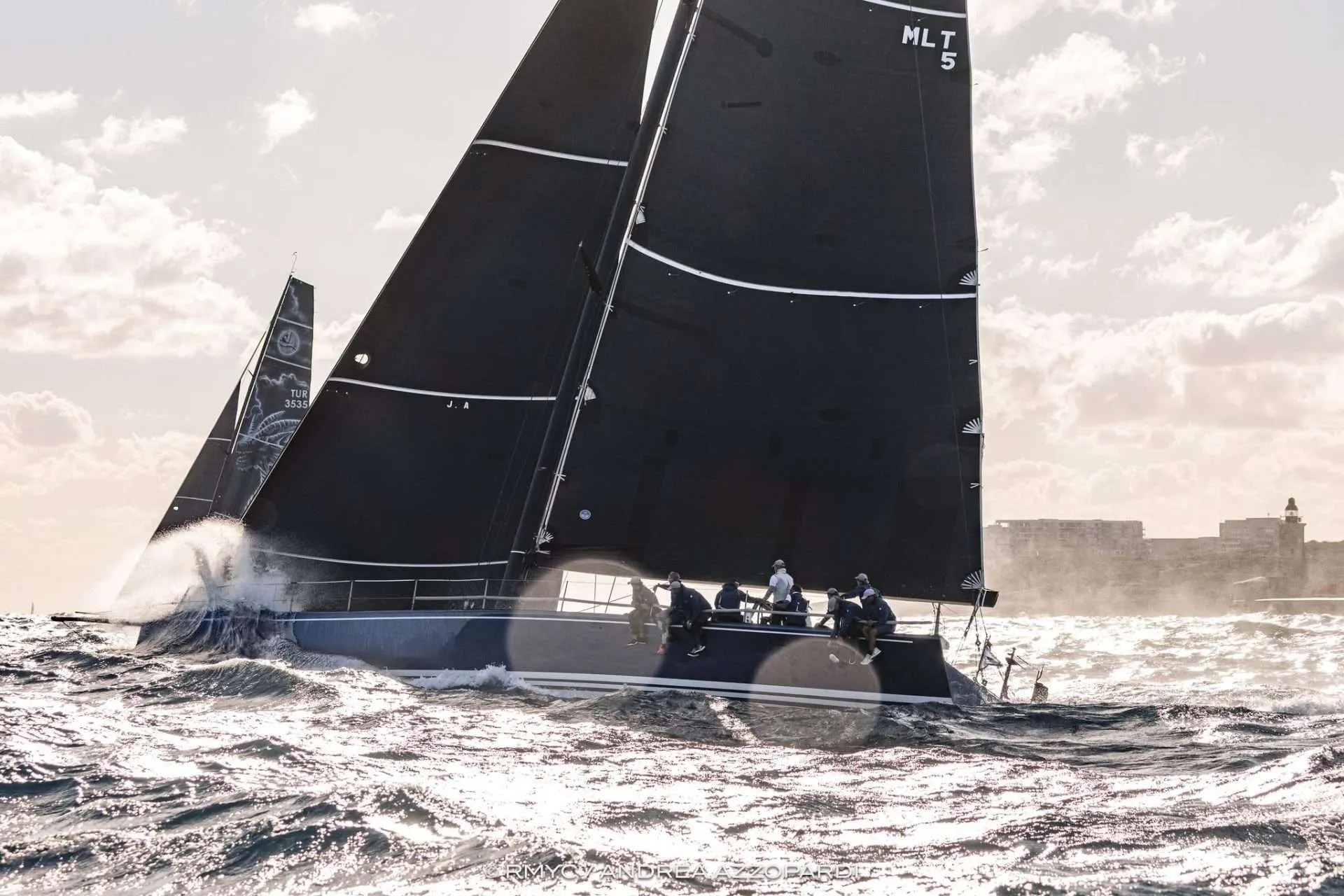
Again, that seems sensible. The loads on most large modern yachts are beyond practical human operation and control. Comanche in its original configuration had a forest of coffee-grinders to comply with Rule 52, but they were soon replaced with powered winches.
Nor is it proposed that the Code should automatically apply to two-handed racing where autohelm plays a significant role in safety. But even there, the Committee appears to live in hope, saying:
“This code allows short-handed and class competition to change 52 as they wish. This allows them to develop and expand whilst attempting to protect fairness of competition.”
The Code, if approved, will apply to all boats racing in Categories 4 through 0 under the Offshore Special Regulations.
It is significant that this proposal was unanimously supported by the Committee. It still needs to be ratified by the World Sailing Council and Board, forums where national and class rivalries have often prevented progress. There are also implications for sponsorship. The greatest commercial value is invariably associated with the line-honours contest.
It is difficult to overstate the potential impact of this reform.
The intrusion of stored power and computer technology has been relentless. It has brought the sport to the point where human knowledge and skills are becoming increasingly irrelevant. It is no longer true sport when the machine is more important than the man.
More broadly, if not unchecked, the use of computer-driven systems, AI and stored power will progressively reduce crew numbers and the opportunities for training. The threat to the future of offshore racing is obvious.
The Committee’s proposals will be presented for final endorsement by World Sailing in November. If adopted, they will apply from January 1 in the Northern hemisphere, and from July 1 South of the Equator.
The Committee also unanimously supported the proposal to amend Rule 42 (Propulsion) to prohibit use of canting keels to generate forward motion. That issue came to WS attention after video footage emerged recently of the V70 Celestial repeatedly canting its keel while becalmed and attempting to reach the Sydney-Hobart finishing line. Comment here.

The Bosun