If you read my short pieces here at Rule69 with any kind of regularity, you might have noticed I have a certain nostalgia for the way things were. I came through the offshore sailing ranks in the 80’s. I joke and say that was back when the world was flat and so was the beer. The race was sponsored by Whitbread beer, a swampy piss that tasted of malt, barley and many long forgotten dreams.
I liked the racing back then. It was more about the adventure than it was about winning and making it around the world and returning in one piece was a victory in itself. Quite a few people didn’t come back in one piece. There were those that fell overboard. One that hanged himself (my friend Alexei Grichenko – a long story there). Those that ended up in a mental home and more than a few that never quite assimilated back into polite society and drank themselves to death. I came close in the latter category.
So forgive me for my nostalgia. (Trust me, there are plenty of us who pine for days of yore. – ed)
The world of offshore ocean racing has changed and I have tried to keep up. One of my beefs has been the number of boats competing. In the early Whitbread days, before the race became the Volvo Ocean Race and before it became The Ocean Race, there were big fleets. The ‘89/90 race had 23 boats competing.
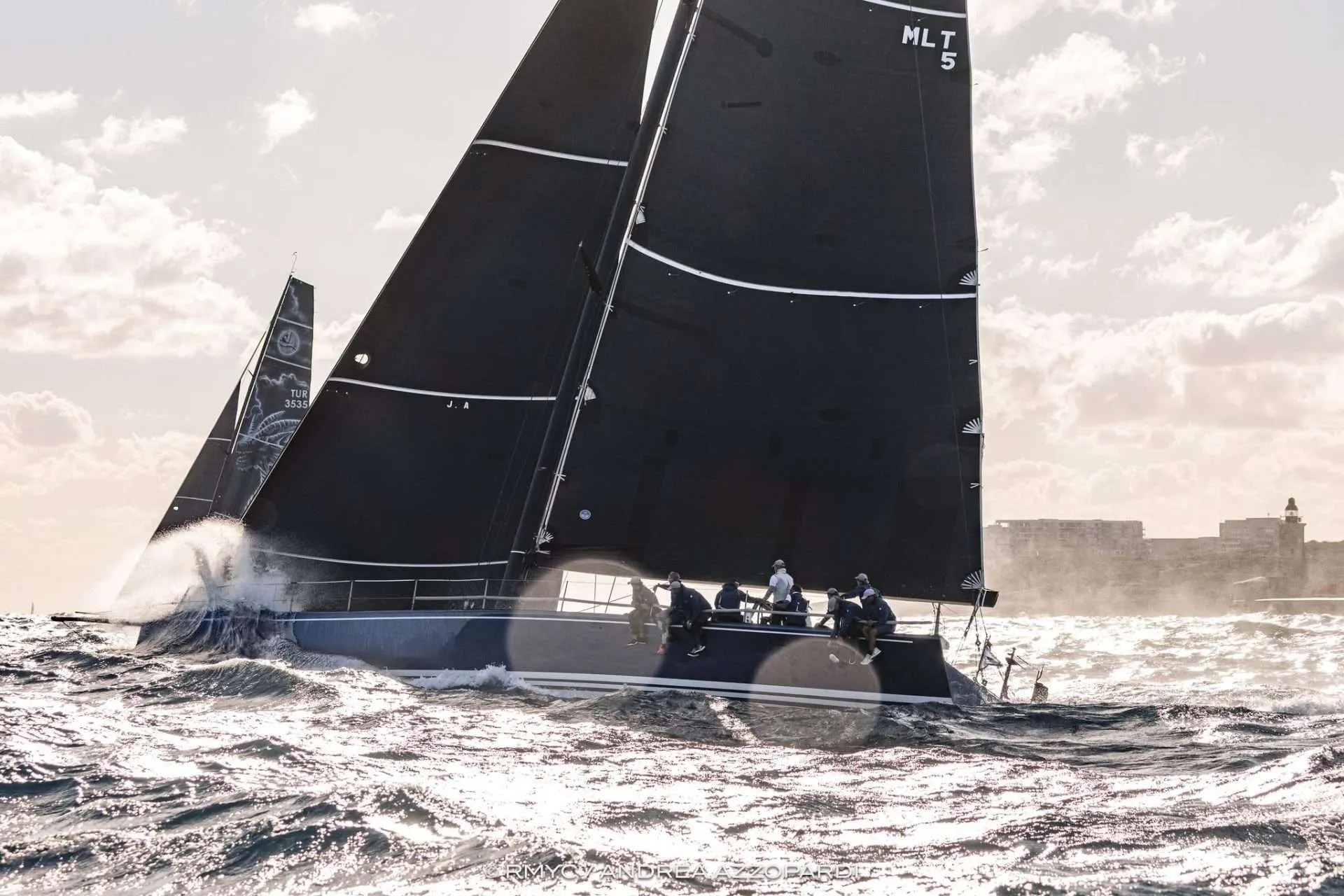
The upcoming running of The Ocean Race has six boats, the same six boats that just completed The Ocean Race Atlantic. Let’s just say that there were really only four boats competing, not because of lack of trying but because of a lack of funding for two of the entries. To me that’s a piss poor showing and it bums me out. The first leg of the race is a 14,000 mile leg from Alicante, Spain to Auckland. A lot can go wrong. Boris Herrmann and his crew on Team Malizia were nearly sidelined from The Ocean Race Atlantic when they hit a UFO (Unidentified Floating Object) with their foil and sailed the rest of the race like a bird with a clipped wing.
Now, with that as a windy preamble, let me tell you that I was glued to the race tracker many times a day and it was riveting sailing. I guess that you only need two boats to have a race. As the top four approached the finish there were a scant few miles separating them. A patch of light winds near the finish in Lorient slowed them up and tossed a tricky curve into the situation. DMG Mori Global, the Japanese boat had a convincing lead, albeit it just a few miles over 11th Hour Racing, but they (and the eventual winner United by the Ocean) chose to pass a small group of islands near the finish leaving them to starboard. The other boats passed to the south and Koji and his crew were suddenly in third place.
All of it was riveting stuff and big drama for those of us watching. So I have changed my mind. You don’t need a big fleet to have big fun. You just need a few boats equally matched in speed and crack crews that know how to sail them, and you have a race worth watching.
Oh, and one more thing. The races that I did were completely out of communication with those on land. There was some single sideband chatter between the boats and every so often a designated boat would patch a call through to race HQ with the positions of the fleet. That was it.
These days with live streaming, constant communication and incredible footage from drones, etc., there is no escape for the sailors. They are being constantly watched and monitored. It’s a kind of voyeurism to hook the boats upon your phone and see what’s going on, but at the same time it does bring the race to life and make it compelling even for non-sailors.
I’m happy to take what I can get. I am glad that I raced the early races. I don’t think that I would be cut out for today’s flying boats and breakneck speeds even if they do come with fancy clothes branded to look like a NASCAR driver. – Brian Hancock