The Bosun
Offshore racing yacht design seems to develop on two simultaneous levels. For the most part it is a steady, evolutionary process where incremental improvements and refinements yield tiny steps of performance advantage. Yet, at the same time, we have witnessed the occasional quantum leap – the separate keel and rudder on Intrepid; the IOR revolution of Imp.
So, is the all-conquering Palanad 4 (above), the next big breakthrough? Its results would certainly say so. On handicap, the 50-footer wins just about every event it enters (and was unlucky not to triumph again in last week’s Round Britain race).
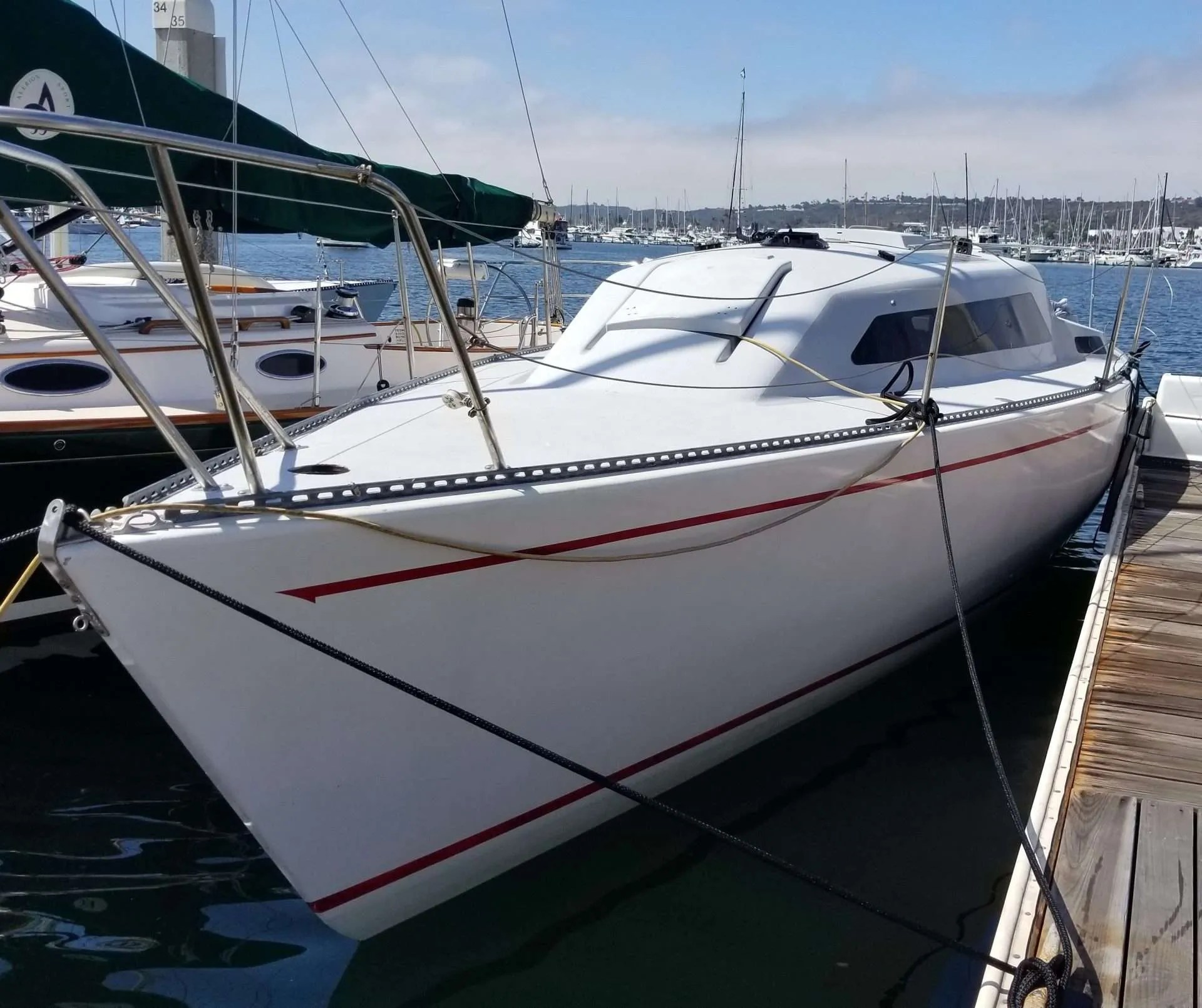
But boy, is that boat ugly! From any angle it looks like a 50-foot floating bathtub. Scow bow, hard chine, flush deck, dinky bowsprit. (personally, I love it – ed)
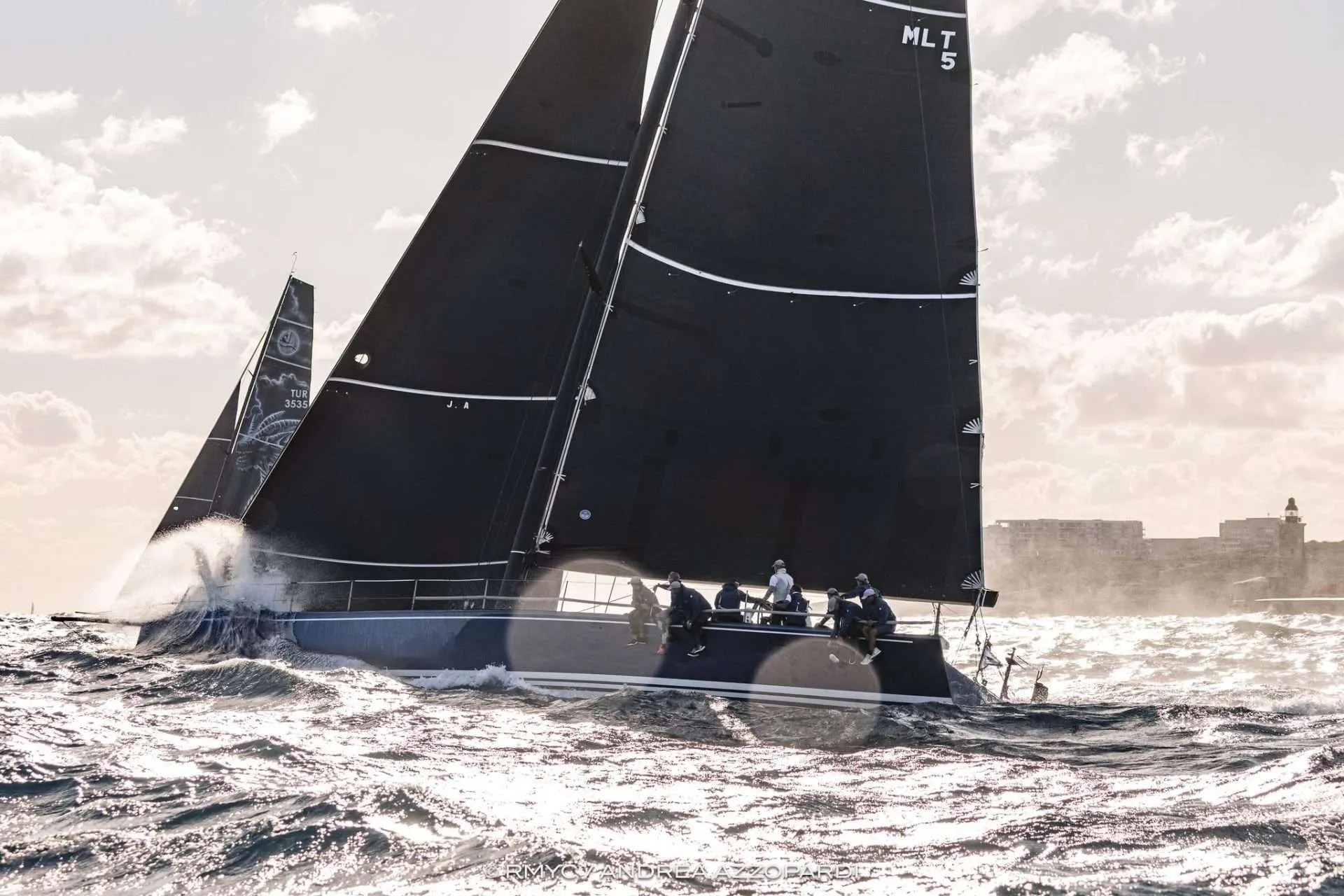
It takes its beam very early – almost a bulge – and that width of around 16ft is then carried almost all the way aft. That is in stark contrast to the accepted ‘arrowhead’ form of most successful contemporary ocean racers (Comanche, the Class 40s and TP52s). Tiller steering, asymmetric daggerboards and a canting keel add to the Sam Manuard design package.
Results don’t lie, but it’s worth noting that the scow bow on Palanad 4 provides a major reduction in the measured static waterline. This exploits a big gap in the IRC rating system, a loophole that we can expect to soon be closed. Clever naval architects always seem able to spot a weakness in the rules.
These boats reach incredible downwind speeds on flat water by lifting their bow, but they are yet to be fully tested in tough uphill conditions. Pushing that blunt nose through big swells close hauled might not be easy, or fast. And – at least to this old sailor – the hull shape looks awfully ‘sticky’ to keep moving in a light breeze. But I’ve been wrong before, just can’t remember when…

The Bosun