The Bosun
Is it possible that offshore sailing is now too powerful for its own good?

Traditional naval architecture embodied the principle that there needs to be a balance between the power of the sails and the hull’s righting moment (a combination of its form stability and keel). The power delivered by the sails was limited by the rig strength, and of the controlling ropes. That, in turn, was moderated by the natural stretch in the sails – first cotton, then Dacron. The never-ending quest for speed was confined within those natural limits.
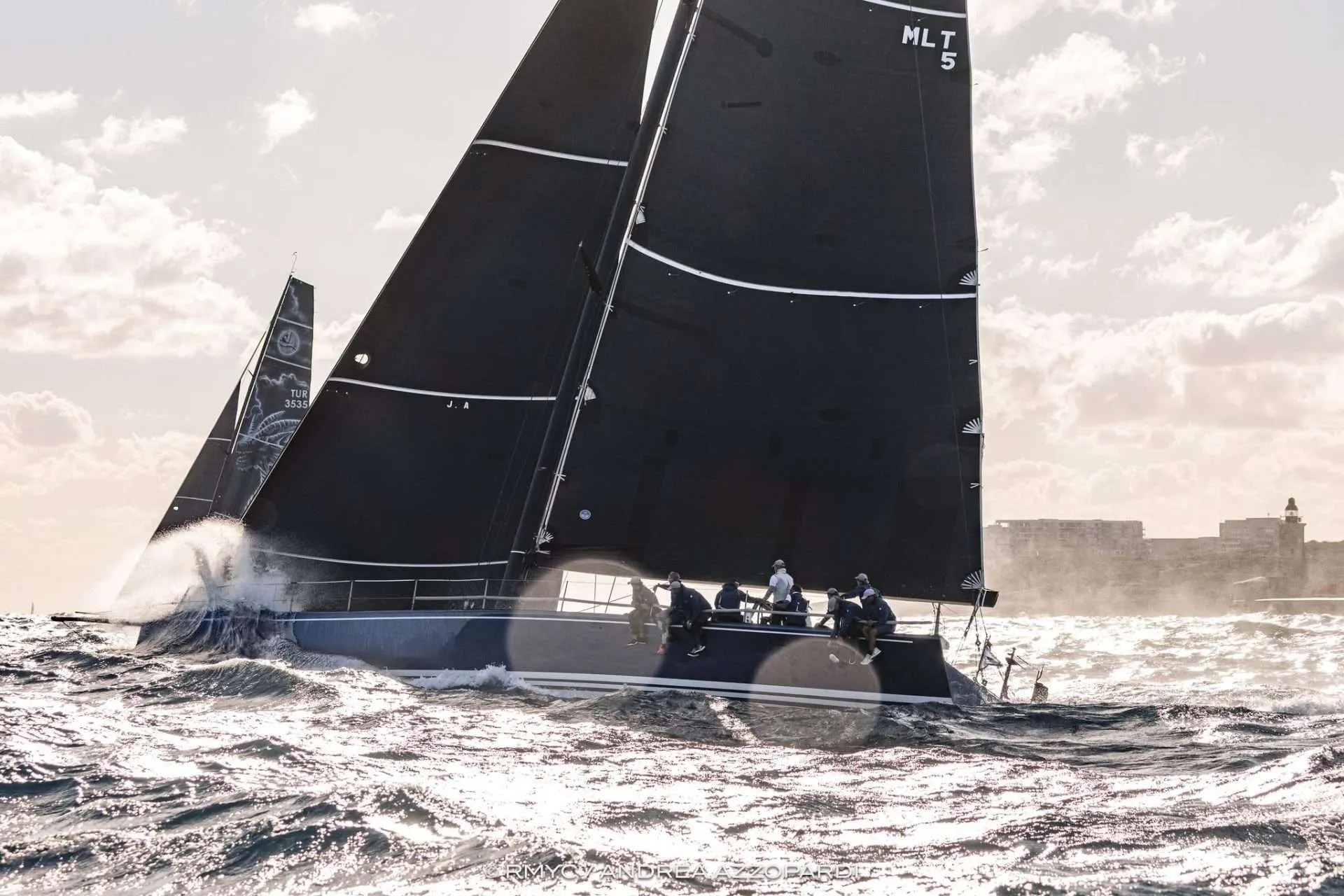
But gradually, as new technology and better materials developed, designers began pushing the power-to-weight ratios of racing yachts towards extreme levels. Canting keels now boost righting moment by around 20%. Water ballast adds more. Dyneema and its equivalents can cope with huge sheeting and runner loads. PBO is stronger than stainless steel or rod rigging, yet 60% lighter. Carbon sails are also lighter and stronger. Power winches and rams deliver and control these new forces at levels that are well beyond human muscle power.
The mania for maximum sail area – especially in A-sails – has even trickled down to the smaller classes where there is no mechanical assistance to compensate for the extra forces. Witness the current frequency of spectacular wipe-outs in the sports boats – there is simply not enough countervailing ‘grip’ in their rudders and keels to save a broach.
The latest boats certainly go faster, but are they safe? A standard test in any workplace is to imagine what might happen if the machinery fails. We saw the result when the canting keel on Wild Thing 100 stuck on the wrong side during a recent Sydney-Hobart race start. The boat lay down and nearly died.
The trans-oceanic events dominated by the fearless French often now become a demolition derby. Recurrent gear and rig failures indicate that modern racing yachts are operating within tolerances so close to the upper limit that a sudden nose-dive or involuntary gybe become catastrophic.
Nevertheless, trust in the technology emboldens crews to keep pushing their boats to extremes previously considered poor seamanship. The legendary America’s Cup-winning designer Ben Lexcen loved to say “If it doesn’t break, it’s too heavy”. But he voiced that sentiment way back when every physical task on a yacht was still done by humans.
Is there a practical response? It is a fundamental responsibility of sailing’s organising authorities to ensure that the sport is conducted safely. That was one of the primary reasons the design excesses of the late-IOR era were brought to an end.
So, perhaps the answer to over-canvassing can again be found in the rating system. As a start, if spinnaker and Code Zero sail areas that are beyond safe limits were harshly penalised, then maybe even the most rabid trophy-hunting owner might become sensible.